In the middle of the 19th century, it became very clear that our natural landscape was changing dramatically, for the worst. We weren't taking care of our rivers, and it was very apparent; rivers were being dammed, modified, eroded and polluted faster than we could understand. Luckily the environmental movement was ramping up in the early 60s as we started to see that the way we live and work can have a huge impact on the sustainability of our natural world. In October 1968, congress created the National Wild and Scenic River System:
"It is hereby declared to be the policy of the United States that certain selected rivers of the Nation which, with their immediate environments, possess outstandingly remarkable scenic, recreational, geologic, fish and wildlife, historic, culture or other similar values, shall be preserved in free-flowing condition, and that they and their immediate environments shall be protected for the benefit and enjoyment of present and future generations." (Public Law 90-542; 16 U.S.C. 1271 et seq.)
Passing this law meant many things to the environmental movement. At its core, the Wild and Scenic Rivers designation is in effect to protect the aspects that make the river so incredible, preserve its free-flowing character, prohibit the development of dams and other federal projects if they will cause a negative impact on the river, preserve the immediate lands surrounding the river (up to a quarter-mile on either side), and helps oversee the creation of effective river management plans that address the protection, development and user-access to the rivers.
President Lydon B. Johnston signed the act:
"In the past 50 years, we have learned - all too slowly, I think - to prize and protect God's precious gifts. Because we have, our own children and grandchildren will come to know and come to love the great forests and the wild rivers that we have protected and left to them... An unspoiled river is a very rare thing in the Nation today. Their flow and vitality have been harnessed by dams and too often them have been turned into open sewers by communities and by industries. It makes us all very fearful that all rivers will go this way unless somebody acts now to try to balance our river development."
Oftentimes there is confusion about what the Wild and Scenic Rivers Act really means. While some people fear the act will prevent development and growth, this is not typically the case. Rivers.gov explains that "designation neither prohibits development nor gives the federal goverment control over private property. Recreation (that's ROW!), agricultural practices, residential development, and other uses may continue... The Act purposefully strives to balance dam and other construction at appropriate sections of rivers with permanent protection for some of the country's most outstanding free-flowing rivers."
In 2009, American Rivers, an organization dedicated to protecting, restoring, and conserving rivers, and their partners "achieved a landmark victory when President Obama enacted one of the largest river protection packages in history. The law designates more than 1,100 miles of 86 new Wild and Scenic Rivers, and expands the Wild and Scenic Rivers system by more than 50%."
Today, the Wild and Scenic Rivers System protects 12,709 miles of 208 rivers in 39 states and in Puerto Rico. While this is a fantastic accomplishment, with over 3.5 million miles of rivers in America, this is less than one-quarter of one percent of the nation's rivers. As Rivers.gov points out on their website, "by comparison, more than 75,000 large dams across the country have modified at least 600,000 miles, or about 17%, of American rivers."
As you may have guessed, a large number of Wild and Scenic Rivers flow through the Northwest; at 48, Oregon has the most designated rivers. Alaska on the otherhand, has the most designated miles; around 3,210! And Idaho has some of the most celebrated wild and scenic rivers in the country, including the Salmon, Snake and Selway rivers, among others. However, despite the fact that the Northwest contributes more than half of the Wild and Scenic Rivers, there are many more around the country!
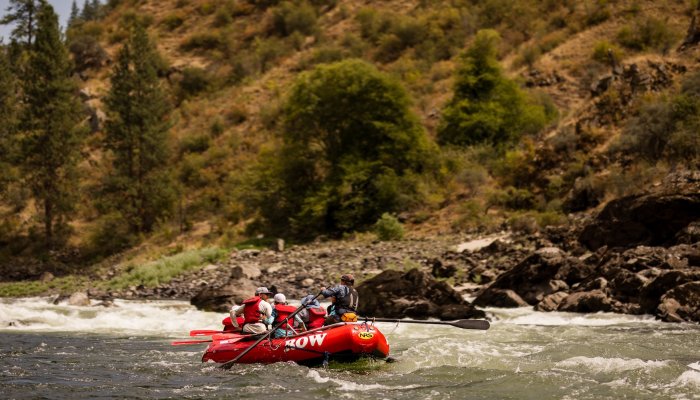
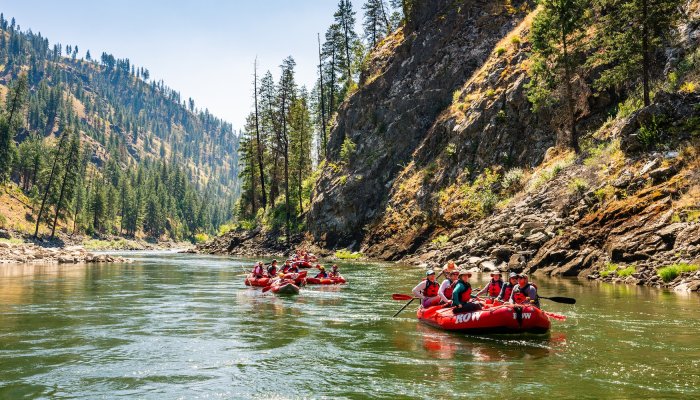
A handful of the rivers we run rafting trips on are designated "Wild and Scenic Rivers," including the Rogue River in Oregon, the Snake, Salmon, Bruneau, Middle Fork of the Clearwater (River Dance Lodge is located along this river), Jarbidge, and Owyhee rivers in Idaho, and the MIssouri River in Montana. In fact, the Rogue, Middle Fork of the Salmon and Clearwater rivers are three of the original eight protected by the Act, not surprising since an Idaho senator, Frank Church, sponsored the bill!
The impeccable scenery, clean waters, and abundant wildlife on these rivers is proof enough of why the Wild and Scenic Rivers Act is so important. If you haven't been to a Wild and Scenic River yet, it might be time to put it on your bucket list! Past generations have worked hard to preserve these rivers and their surrounding lands for our enjoyment today and in the future.
To learn more about Wild and Scenic Rivers, visit AmericanRivers.org.