Rapids: Rerated
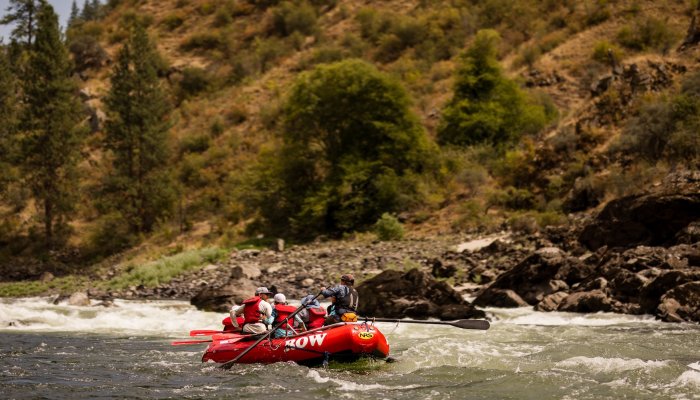
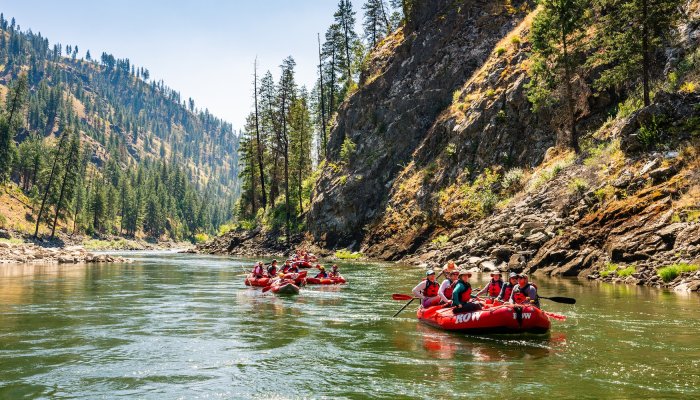
The temperature is 85 degrees and the water runs clear green beneath our bright red boats. Tumbling fast over round stones of sparkling quartz and dazzling green serpentine. We are floating down the Salmon River Canyons on a five day Family Magic trip. There are three different families with us, who all have elementary age kids. It is the first morning awakening on the river, and the kids have already embraced river life and each other completely. As soon as they are released from sunscreen and hat application, they run to the shore to loiter by the freshly pumped boats. We sort into rafts, distribute squirt guns, and embark. Just around the corner is our first rapid, a Class II called Green Canyon. Rolling waves rock the boats and elicit squeals out of guests of all ages.
Then the question arrives.
"What class was that?!”
Once you tell them its class II, people, especially the younger set, will filter their experience through that ranking. Some look a little disappointed, when seconds before they were thrilled. Some don't believe me, and tell the kid next to them “that was definitely a class III, those waves were wild!”
The inevitable follow up: “What's the highest level? When are we doing that?”
It's understandable to misinterpret the rapid ranking system as a ranking of fun: how many splashes, how high the boat gets tossed, how exciting the run is. But really, it's a way for guides and private boaters to understand and communicate the level of challenge each section of river presents. The system goes from I-VI, with I being smooth, calm water, and VI representing rapids that are essentially unrunnable, like Niagara falls for example. Rapids in the class II-IV range vary in how technical they are and how much attention they require from the guide. But I'm not here to give you a lesson on whitewater classifications--let the guides worry about that. I'm here to give a lesson in whitewater boating fun. So tuck in those toes and get ready to jump feet first into “Rapids: Rerated--the Family Edition.”
Class I is Fun
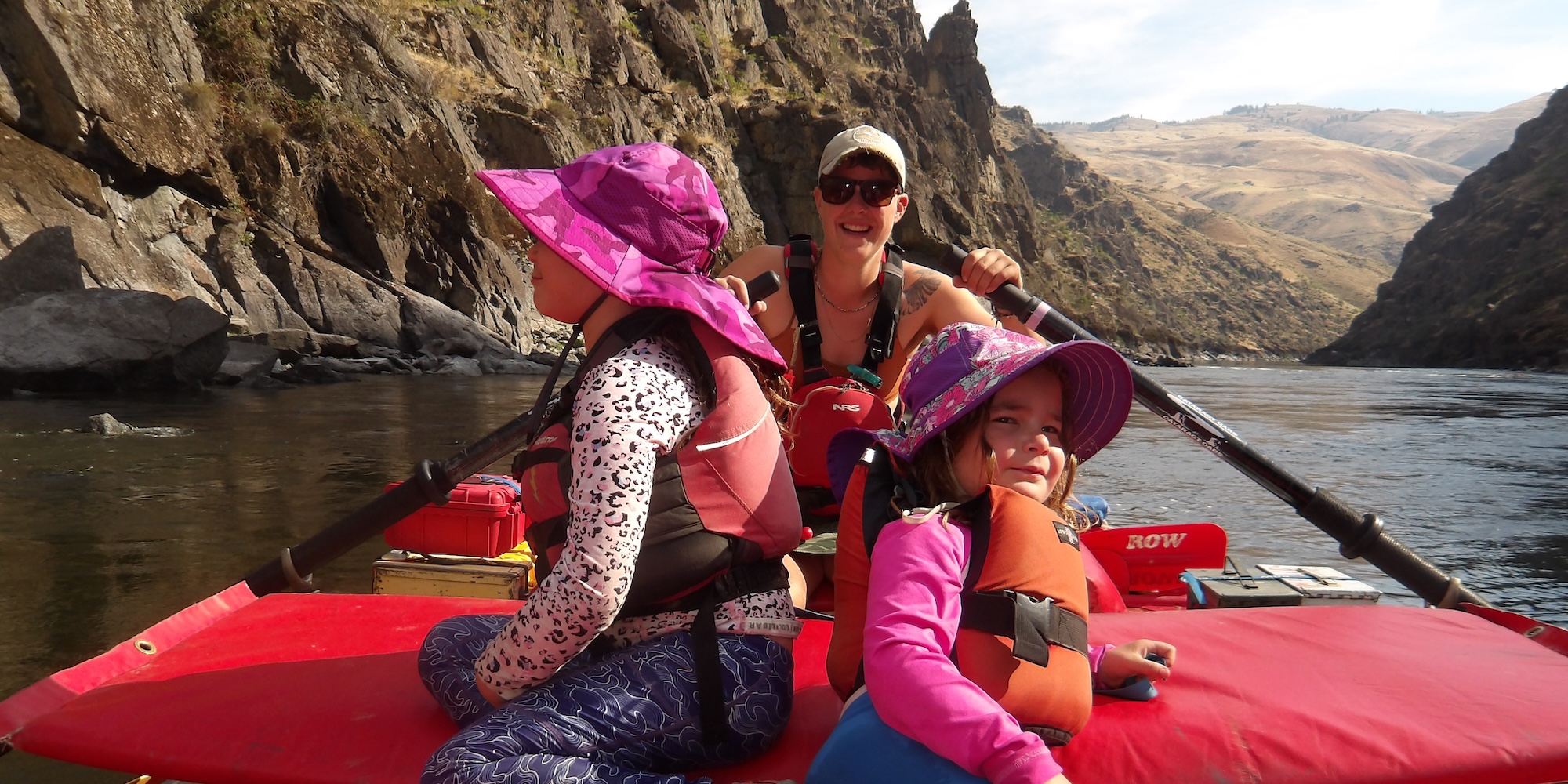
The Salmon River Canyons is a pool and drop river, meaning after the ‘drop’ of a rapid there is a stretch of calm ‘pool’ water. These class I stretches are perfect for swimming, casting a line, and playing games in the water. The group of kids, shy when they arrived, all choose to leave their parents for a kids only paddle boat that I am captaining. The next few miles are slower water, making it safe to have a boat load of rowdy and inconsistent paddlers who are still developing their listening skills. In a sparkling slow stretch beneath high basalt walls, we call two brave paddlers to the prow. They lock the handles of their paddles from opposite sides of the boat, balancing on the slippery rubber tube. Giggling and cajoling, they each lean out, and out, and...splash! As they tumble over each other to pull their friends in and take a turn, we make it more and more difficult by spinning and rocking the boat. Kids go flying off the sides of the red rubber boat like water off a shaking dog, shouts of glee echoing up the rocky sides.
After a while, little James wants to sit with his mom and rest, so I put Lily and Claire in front to set the tempo. They are older than the rest and do an admirable job of harnessing our rowdy crew’s energy into forward momentum. We approach an oarboat at speed, as the adults aboard relax in the shade of an umbrella. There is some brandishing of squirt guns and boarding attempts, but eventually we drop off James and leave in peace.
Class II is a Total Hoot
The river picks up and rushes along the shoreline. Riffles form on the surface, and a smooth tongue of water channels our boats into a set of rolling waves. The water is deep beneath us and there are no rocks or other hazards nearby. I check in with my small but mighty team: do we go big or admire the waves from the side? My team is unanimous and we paddle hard into the biggest wave. As the water tilts over the heads of Lily and Claire we crash through the spitting foam, shocked for a moment, until crows of joy erupt. Everybody gets a turn sitting up front as we fly downstream. The water here is constricted by the canyon walls into a steady stream of bouncy waves pushing you straight down the middle. My voice is nearly gone already from the shared excitement.
We stop for lunch and change up the boat groups for the afternoon. Since we are headed into the biggest rapids of the trip, I need some adults in the paddle boat. Guides are discussing the rapids ahead and deciding which boats they want to captain. The air has a zing of tension to it, as we prepare to navigate routes with higher consequences and more risk.
Class III, Wild and Free
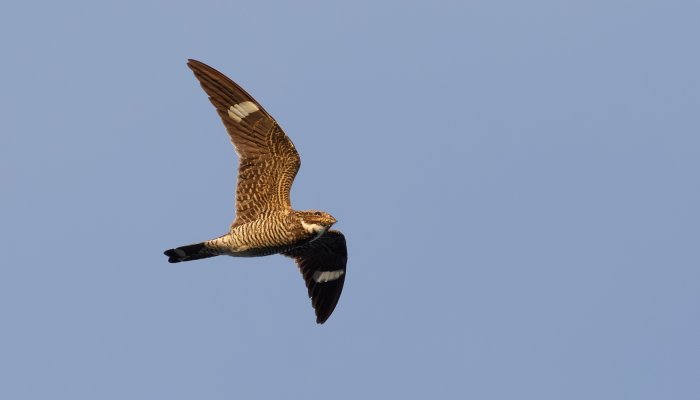
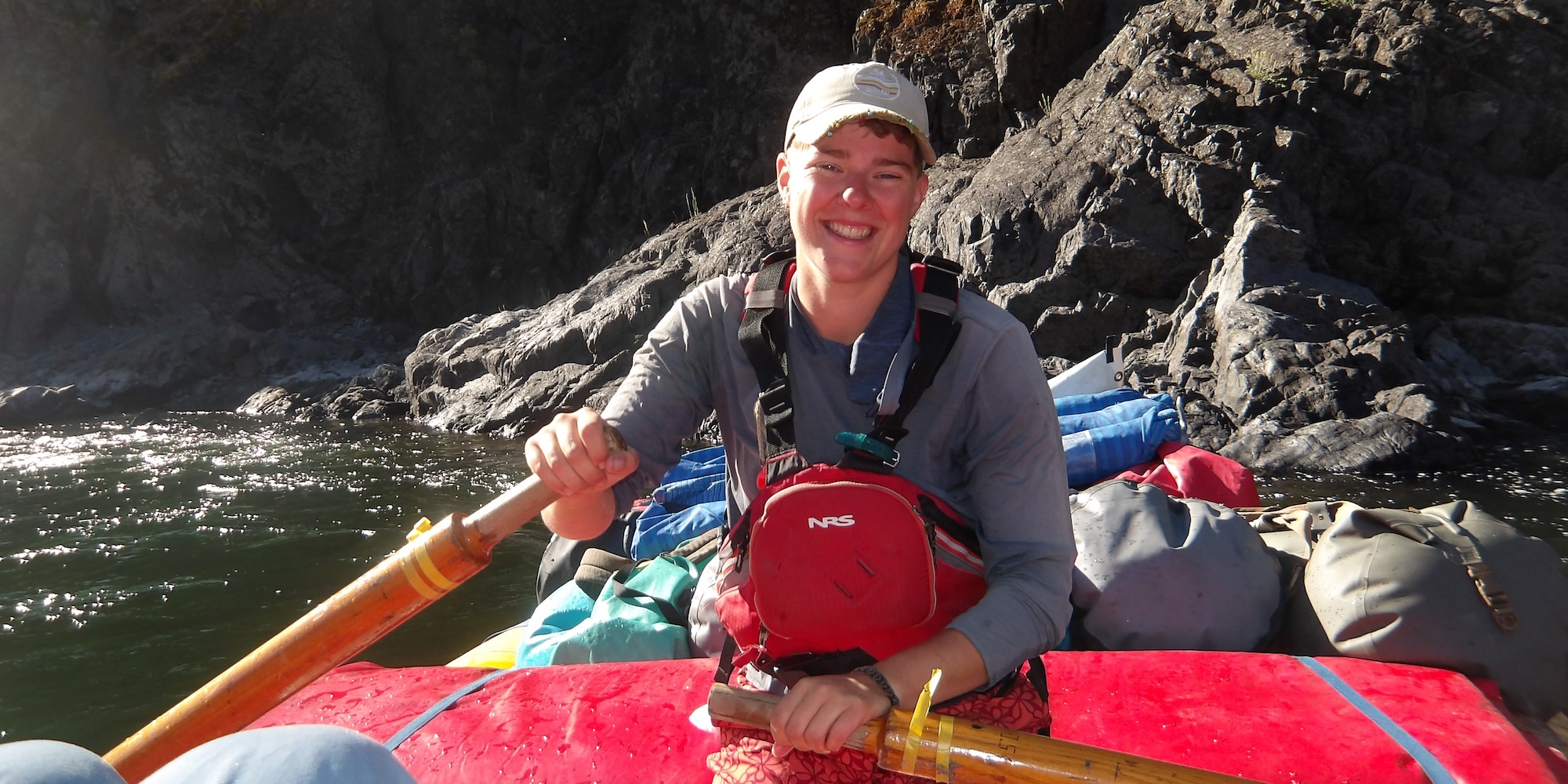
We push off the beach as an osprey sails overhead. There is a bit of jealousy from James that he is not allowed back in the paddle boat for the big rapids, but his guide distracts him with goofy faces and the 5 year old contents himself with being the center of attention on his oar boat. The older kids have a deal that they will switch out after two rapids so they all get to ride through one in the paddle boat. We come around the corner and the water is driving to river right, pounding on the basalt wall. Two boats go ahead of me and have to pull hard away from the right wall.
I get serious:
“Allright team, tuck those feet in. We're gonna have to make a quick move down there. Ready?” We set our angle with some coordinated paddle strokes, then ‘all forward!’ hard. We cut a clean line and paddle high five at the end. The kids switch out. We can't play a game right now because there's another big rapid around the corner. The nail polish and friendship bracelets are long put away. We’ll get the snacks out after the next rapid, and there’s no time right now to dip in the water either. Half a mile later we pull over above China rapid.
Class IV and So Much More
China rapid is rated class IV because it requires focus and careful decision making. There are a few ways to navigate through this rapid incorrectly, but that’s what your guide is here for. When a rapid calls for extra attention, we do what’s called scouting: we hop out, walk along the shore, and study the water before running the rapid. Picking our way past balsamroot flowers and scattering crickets, everyone seeking a view heads up the hill to watch the grand Salmon River flow around a tight bend, striking giant boulders along the way and coursing over shallow gravel bars. At the bottom water crashes against the left shore before it all calms to a pool. The kids–who’ve been buzzing about Class IV rapids since day one–are fired up with anticipation.They wait impatiently as we analyze the rapid, choosing our lines and discussing technique among guides and interested guests. When we finally load up to go, they are practically vibrating with excitement.
At the entrance of China rapid conversation stops. The water is too loud, and I am concentrating on my line through the obstacles ahead. I call out paddle commands loud, and my team of mostly adults dig hard into the water. We avoid the big splashes and take a conservative route. We sidestep a big wavetrain, we dodge out of a rolling eddy line to get away from the left shore. In just a few moments we are celebrating in the pool below with cannonballs and snacks.
In the lull, a murmur begins among the kids.
“That didn’t seem like a class four...”
“I think Green Canyon was way bigger.”
“Are there other class fours?”
An eagle alights at the top of a ponderosa. We zigzag between oar boats collecting children and ejecting adults until the paddle boat once again has an average age of 9.5 years. Downstream the perfect rapids await. IIs upon IIs upon IIs, bouncing and jostling and carrying us along all the way to our camp for the night.